A turn-based RPG where riffs become weapons in a dystopia
Players control an outlaw rock trio, casting riffs, basslines, and drum blasts as tactical spells across turn-based encounters, while managing band survival. Book Burner Games develops this Windows role-playing title, which pairs handcrafted exploration in an alternative 1984 with a character-driven narrative. The package highlights an adaptive soundtrack that shifts with performance, survival mechanics tracking hunger and sobriety, and a focus on strategic, non-rhythm combat. It fits tactical RPG fans who want music-centred storytelling and survival-minded party management.
What kind of game is Sonic Terror?
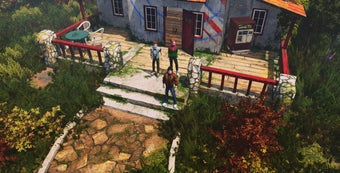
The game blends turn-based tactical RPG structure with party management, centring on a three-member outlaw rock band. Combat uses musical actions as spells that consume turns and resources, and encounters require positioning and choice rather than rhythm inputs, since the developer states there are no rhythm-based mechanics. Exploration is handcrafted across an alternative 1984 Republic invaded by body-snatching aliens, giving missions and skirmishes narrative context tied to reclaiming sound.
How does audio shape the experience?
The soundtrack is adaptive and changes based on band performance and health, so music intensity correlates with combat outcomes. Audio acts as feedback and mechanical state: success layers in complexity while damage reduces the arrangement. That design makes sound part of the game's feedback loop rather than background ambience, and it ties directly to the core loop where musical riffs and beats serve as game actions and indicators of team momentum.
How do survival and progression affect play?
Survival systems require you to keep band members fed, sober, and inspired, so resource checks and downtime choices affect combat readiness. Progression flows through character-driven narrative beats and management of interpersonal state, with exploration and encounters unlocking story beats in a dystopian setting. The developer positions these systems as central, so campaign pacing balances tactical fights against periods of provisioning and morale decisions that change available options.
Clear fit for tactical players who value narrative stakes
Sonic Terror suits players who prefer strategic, turn-based encounters tied to a written storyline and character care, rather than reflex or rhythm tests. The game is still in pre-release, so scope and balance may change before final launch. Players seeking a party-focused RPG that ties mechanics directly to audio-driven feedback will find the concept purposeful; those who want pure action or rhythm inputs should look elsewhere.